





By Chefs For Chefs: Resilience and Heart Through An Open Hearth With Tyler Wells


Tyler Wells is a chef and restaurateur based in Altadena, California. After growing up in West Virginia, Tyler made his way to East Los Angeles, where he opened the hit restaurant, All Time, with his wife and business partner. After quite an eventful few years, he’s bringing his simple, rustic cooking to a new concept, Betsy, with a menu focused on seasonal produce, fish, and meats, brought to life with his open-hearth oven.

How did you first learn to cook?
I grew up in a time and place where I was home alone at an early age so I figured out how to feed myself pretty early - frozen chicken nuggets and fish sticks mostly. Early on, I think I learned the courage of figuring out how to cook and always cooked at home. I did attend culinary school some years ago, as well. I cooked “professionally” for about a year after school and promptly took a 10 year hiatus from restaurant kitchens.
You grew up in West Virginia but now call Altadena home. What brought you out west?
Ultimately, it was coffee. After stops all over the country - WV, Colorado, Pittsburgh, North Carolina - I was living in Austin and had fallen in love with coffee. It was the first thing that ever really captured my interest and I wanted to know everything about it and get really good at making it. Austin had a bit of a ceiling at the time and I got an opportunity with Intelligentsia to run the store that was about to open in Pasadena. I had barely been here and wasn’t expecting to stay long but the city really took me in. The first friends I met all lived in Altadena so I discovered these mountains and learned every corner of the forest from them and they’ve become my home.

What are your favorite spots for food, bevs, and groceries in the neighborhood?
Oh boy. I don’t go back in time much but we really lost some special, soulful places up here. I’m so optimistic about the future here and I like to think about that instead. I’m a creature of habit and lately I haven’t ventured too far too often so I haunt a few places. Miya across the street is perfect. Over on Allen there is so much great stuff - Prime Pizza, Bevel Coffee just opened, Altadena Beverage, Armen Market. And then down the hill a bit on Lincoln, Highlight Coffee has been quietly making the best coffee around for years and I love Ferrazzani’s for a sandwich and some hard to find pantry items.
The past couple of years has been a bit of a rollercoaster for you, particularly as a result of the Eaton Fire. What role does cooking play in your life, especially amidst all of the chaos?
Great question. Strangely, I've never really thought about it in this context. I think I love cooking because it’s an act of service. It’s grounding to do something for someone else and that’s been very healing for all of us. The most difficult part of the last year for me was not having a venue to host our community and offer warmth and nourishment. Cooking has always been a way for me to share love. Anytime someone cooks for me, I feel so loved and cared for and I think we all want to share that feeling. It’s so personal for us- It always was but now the stakes are a little higher for our guest and the experience and we feel so honored to have a night to cook for everyone who finds their way here.

Your restaurant, Bernee, which closed a couple of years ago, has since been reborn as Betsy. Can you tell us about that decision to reopen under a new name?
Bernee was open for 30 nights and it was a special place, although with some difficult energy and turmoil. When the fires happened, I was certain that it burned down and when I found out it didn’t, I was certain that it would never reopen. I couldn’t have dreamed that our town is this resilient and how the entire city would support this little restaurant in the middle of a disaster zone. The months that we were closed were the most transformative time in my life and this restaurant is so important and deeply personal to me that I named it after my mom. She died almost 20 years ago and never got to see me really find my way, although she knew I would and supported me through all of my wild ideas that led us here. I learned resilience and perseverance from her and was raised to be kind and thoughtful and by the most selfless parents imaginable and I hope we live those values every day and make her proud.
It also features a live-fire hearth, which feels both ironic and symbolic. Can you touch a bit on what fire represents to you?
This restaurant is singular to me. I couldn’t and wouldn’t do another version of this. Cooking entirely on fire is, in a sense, a fool’s errand. On paper, boiling water over a fire is gratuitous and way harder than it needs to be. And I think that’s the point a little bit. If you can hear me from my soapbox, everything is overblown and overdone. The world is at your fingertips. You can buy an oven that roasts your chicken and cleans itself while the interns pick flowers. That works for a lot of people and restaurants, just not for us. I love how present and thoughtful you have to be to cook like this. In a sense, it’s so dumb. It’s so hard to bake in a wood burning oven and it’s a testament to the greatest team I’ve ever known. They are nailing it and making it look easy. Cooking like this has attracted cooks that want to do it. No one here just wants a job - they all want to be a part of this. They want to stand in front of a raging fire for 9 hours a day. I’m so humbled by this crew.
In a way that I hope isn’t too obvious, it’s nice to suggest that fire isn’t only bad. I don’t know if we’re running an exposure therapy center here exactly, although it’s nice to be rewarded for the positive things fire offers.

Do you have any tips for cooking, specifically produce, in a hearth?
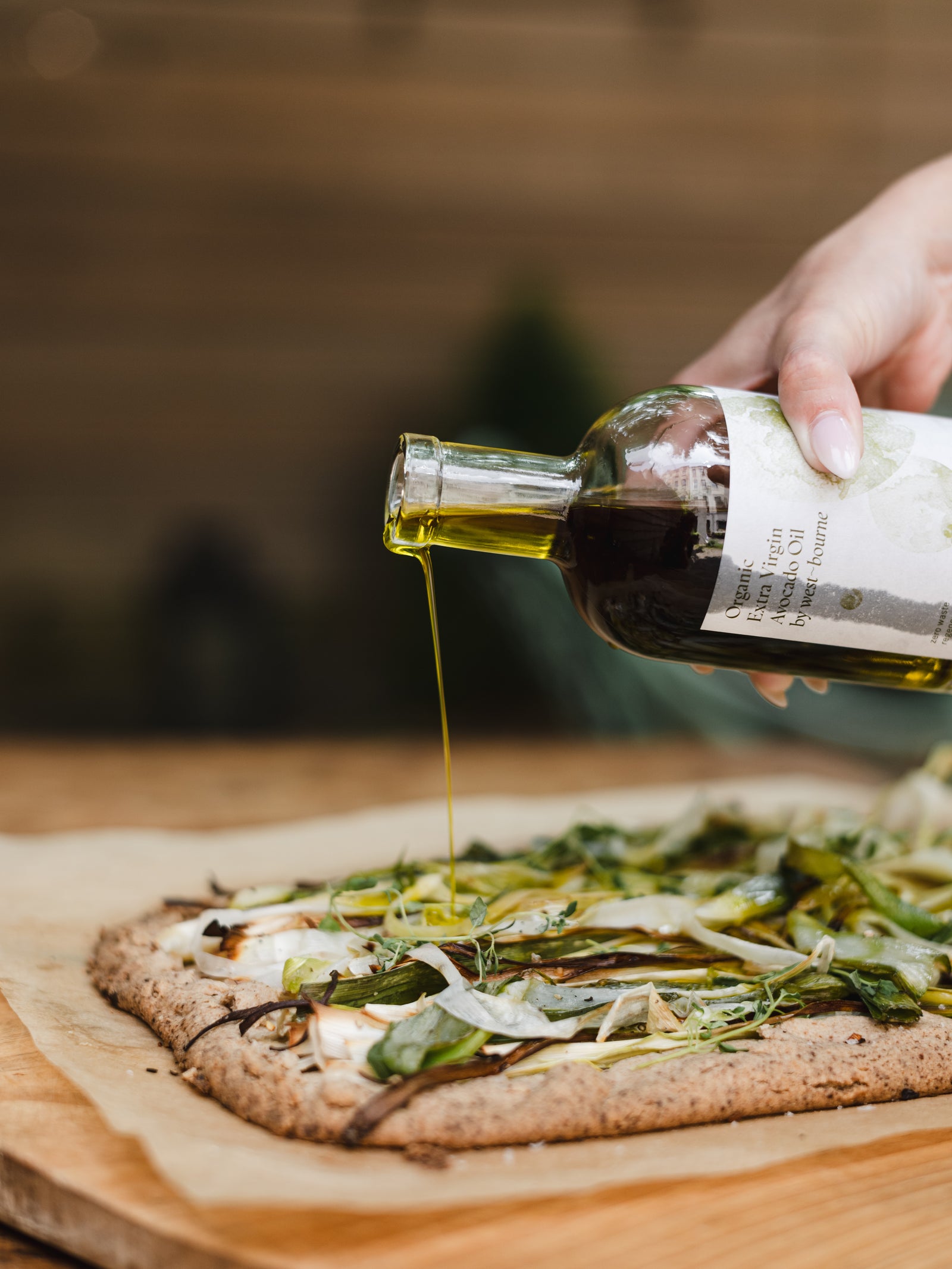
The biggest mistake we all make is cooking on a fire that’s too fresh. A young fire imparts an unpleasant, acrid flavor to food. I’d say 90 minutes is the minimum time a fire needs to be ready to cook on. Build a bigger fire than you think you need and let it burn down a bit. It doesn’t need to be just coals, I think the flame is important, but it should be past the peak of its life. From there, hot and fast. I’ve taken to waiting until vegetables come off the grill to season and dress them. Broccolini for example - I grill it over a very hot fire for about 3 minutes. I’ll let one side get some char on it and turn it just enough for the other side to be warm. Then I’ll toss in a bowl with some very delicious avocado oil from my friends, some crunchy salt, and some acid - lemon juice or red wine vinegar. If you add salt and oil first, the oil is likely to catch on fire and the salt won’t stick. It’s such a fresher experience than burnt oil broccolini.
Something you and west~bourne have in common is a deep appreciation for soil health. I know you’ve spent some time in San Juan Capistrano at the Ecology Center. What are some of your big takeaways from your residency there? How has that experience impacted the way you cook?
I’ve always been passionate about farming, soil health, and supporting people and organizations doing important work. The Ecology Center family has been just that since the day we met. My appreciation for the work and nuanced knowledge that it takes to balance an ecosystem has grown exponentially. You think you understand what goes into farming, but it’s so much more than I could have even imagined. It’s given me an even greater reverence for the produce we’re fortunate to have access to and we all feel a huge amount of responsibility to do it justice.

What’s the one thing you have to order if you see it on a menu while you’re out to eat?
Anything with chicories.
Last question. You’re finally getting home after a long day in the restaurant—what dish are you making for yourself? (please share a full recipe and an image!)
Tacos. Rancho Gordo beans, tortillas from Tehachapi Grain Project crisped up in avocado oil and flaky salt, store bought already shredded 3 cheese Mexican blend, lazy salsa, creme fraiche.



